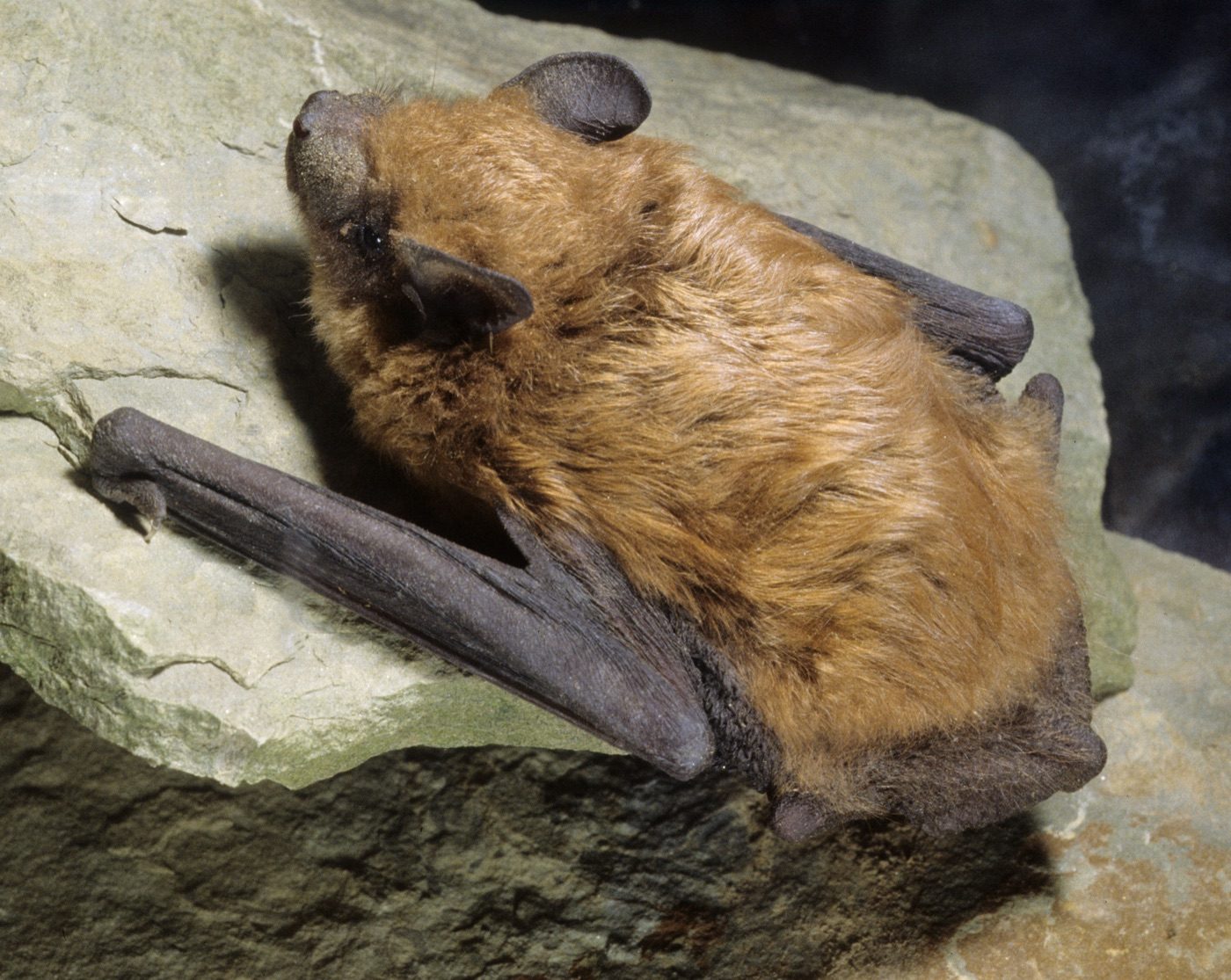
Big Brown Bat
Eptesicus fuscus
One of the most common building-dwelling bats in Georgia. Often found in attics, soffits, and chimneys.
Georgia is home to 16 native bat species. Below is a quick visual reference. If you have bats roosting in your home, attic, soffit, or outbuilding, Georgia Wildlife Specialists handles humane removal and exclusion.
Eptesicus fuscus
One of the most common building-dwelling bats in Georgia. Often found in attics, soffits, and chimneys.
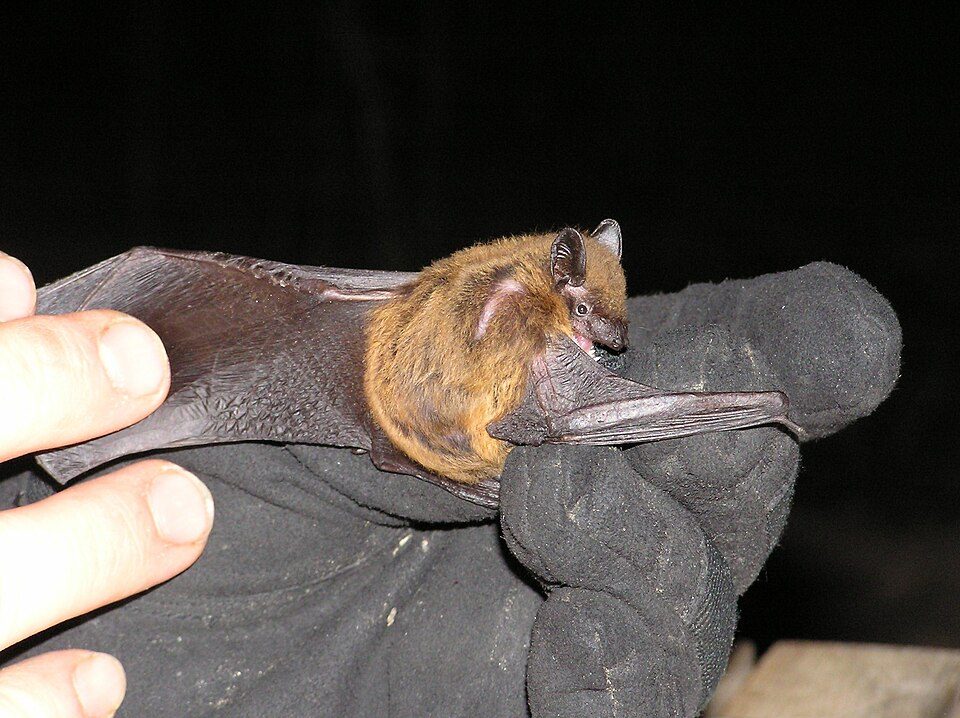
Nycticeius humeralis
Widespread across Georgia. Frequently roosts in attics and behind shutters in the coastal plain.
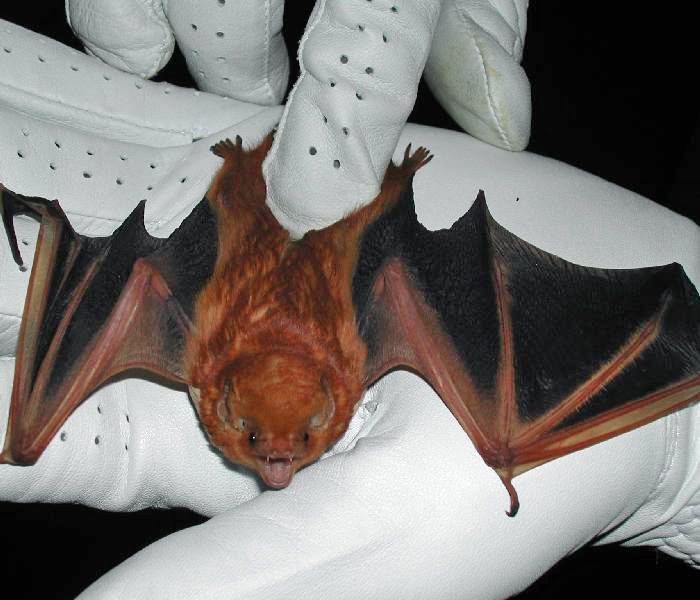
Lasiurus borealis
Solitary tree-roosting bat with rusty-red fur. Often hangs from foliage like a dead leaf.
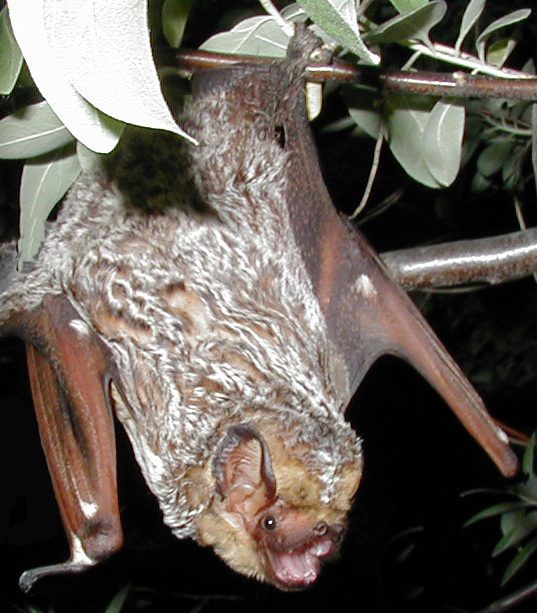
Lasiurus cinereus
Largest bat in Georgia. Migratory, with frosted gray fur. Roosts in trees.
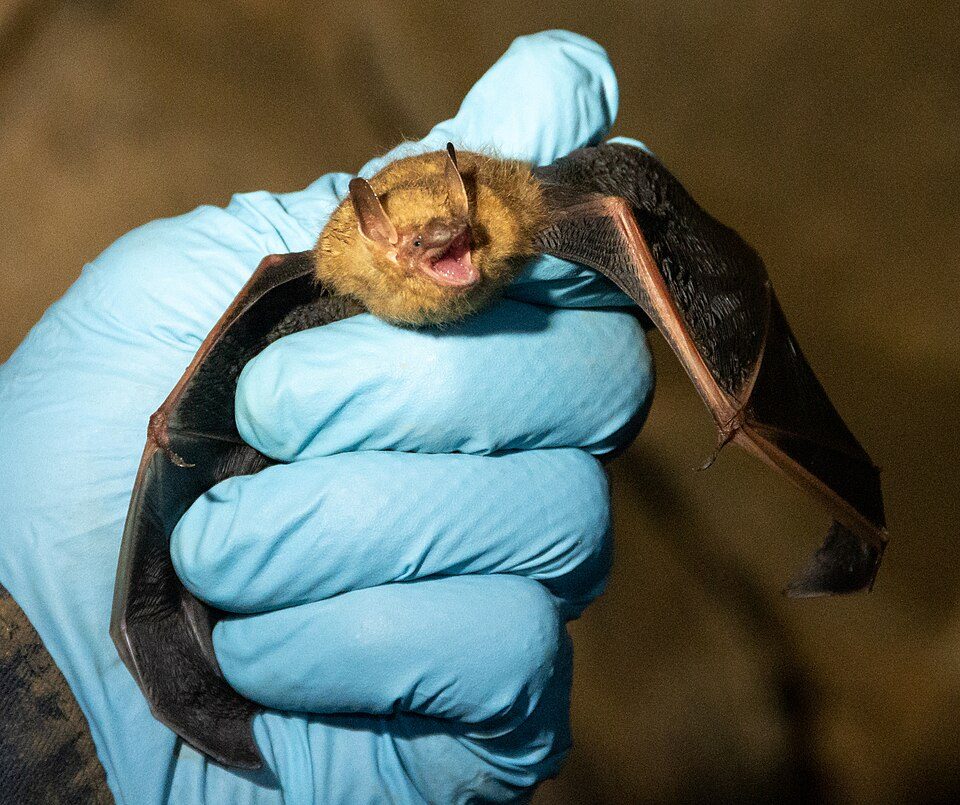
Perimyotis subflavus
Small bat with three-banded fur. State species of concern due to white-nose syndrome impacts.
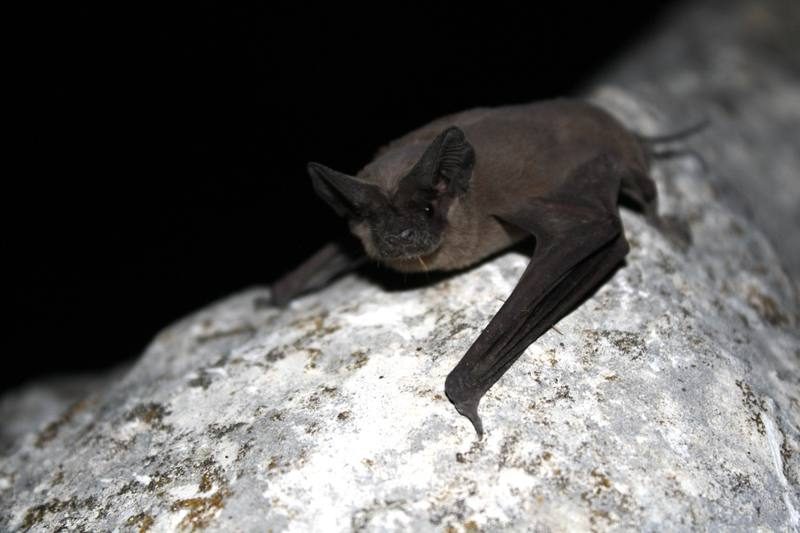
Tadarida brasiliensis
Also called the Mexican free-tailed bat. Forms large colonies in southern Georgia. Tail extends past the tail membrane.
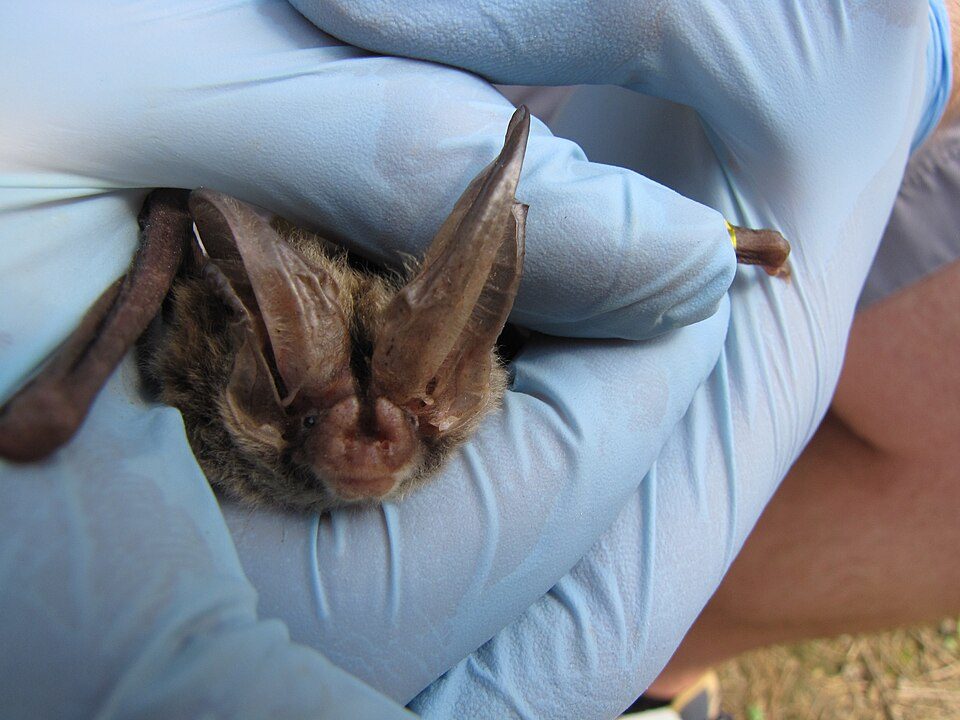
Corynorhinus rafinesquii
Distinctive long ears. Roosts in hollow trees, caves, and abandoned buildings. Georgia species of concern.
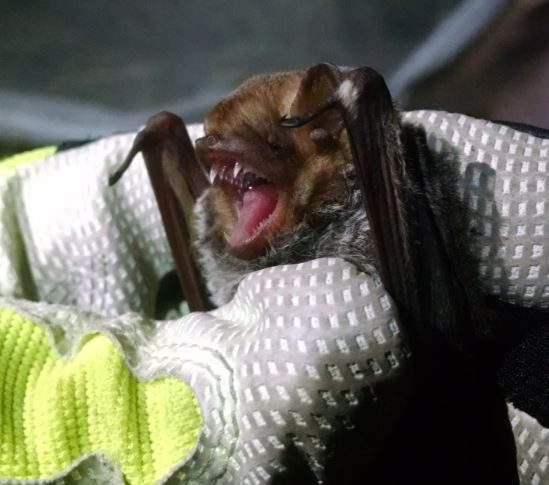
Lasiurus seminolus
Mahogany-brown tree-roosting bat. Common in pine forests of south and central Georgia.
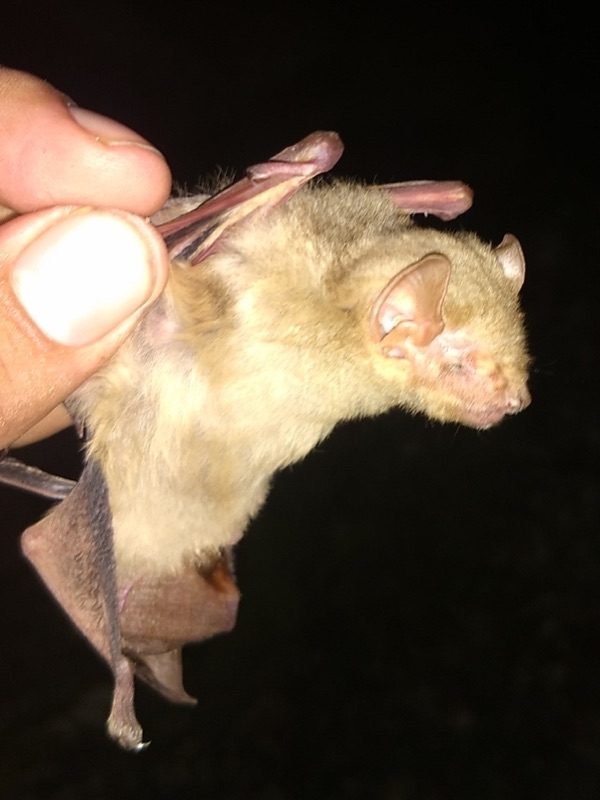
Lasiurus intermedius
Pale yellow fur. Found in the coastal plain, often roosting in Spanish moss.
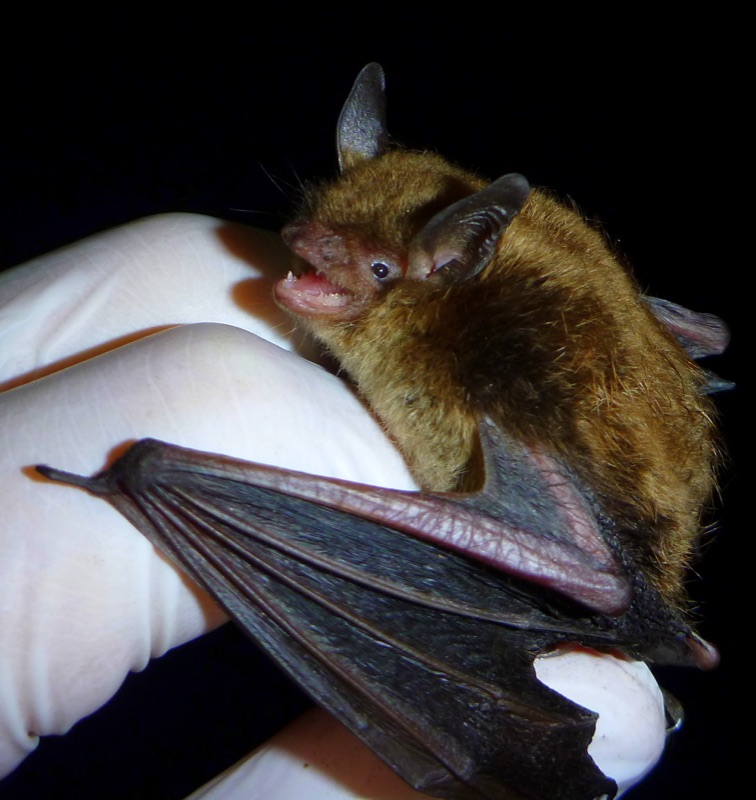
Myotis lucifugus
Small myotis once common in the Georgia mountains. Populations devastated by white-nose syndrome.
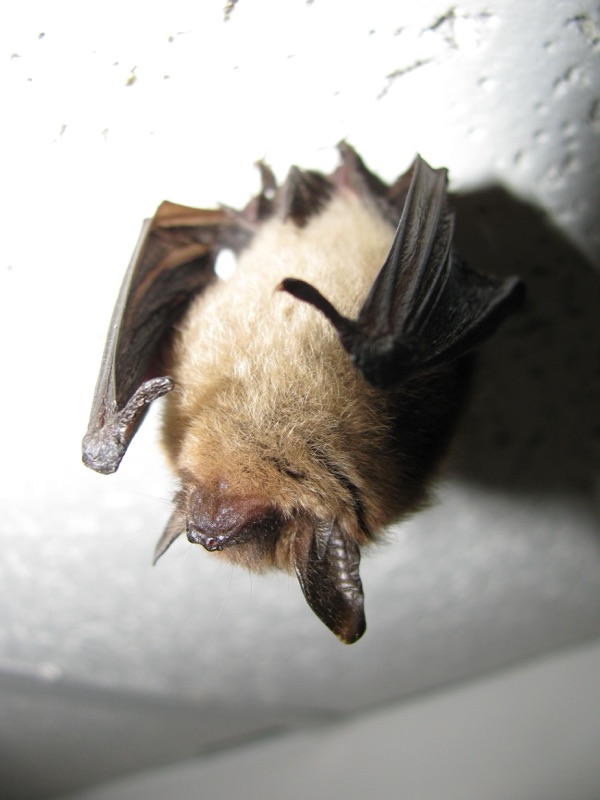
Myotis septentrionalis
Federally endangered. Roosts in trees and buildings in north Georgia. Long ears for echolocation in cluttered habitats.
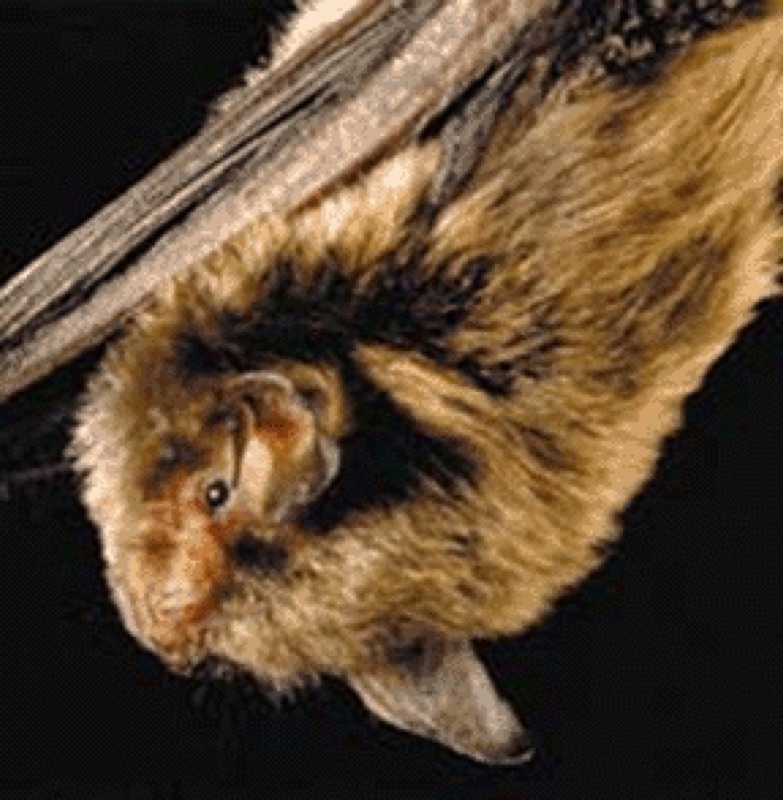
Myotis sodalis
Federally endangered. Caves in the north Georgia mountains support small hibernating populations.
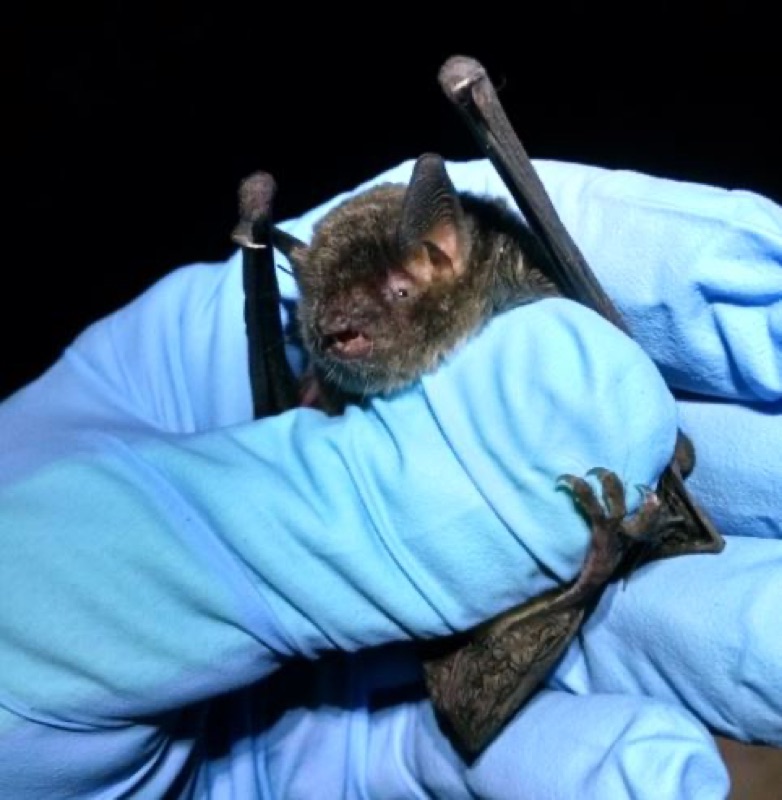
Myotis grisescens
Federally endangered. Cave-dependent. Limited populations in north Georgia.
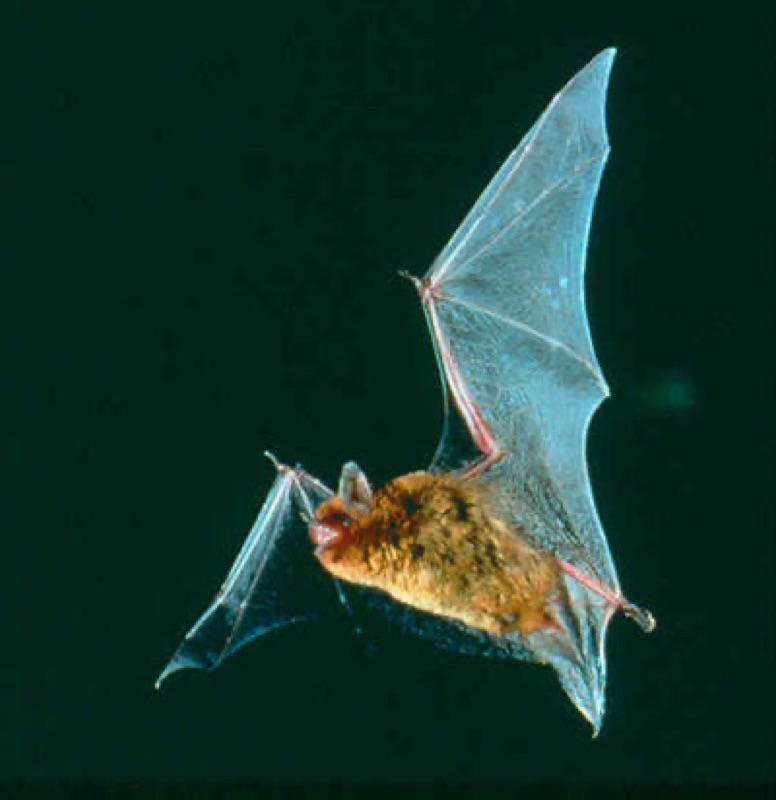
Myotis austroriparius
Found in the coastal plain. Roosts in hollow trees, caves, and bridges along rivers.
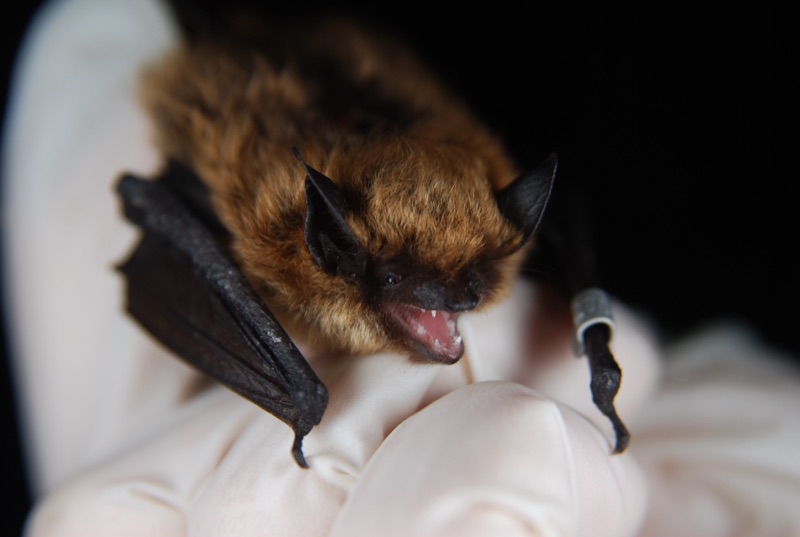
Myotis leibii
Smallest myotis in eastern North America. Roosts in rock crevices in the north Georgia mountains.
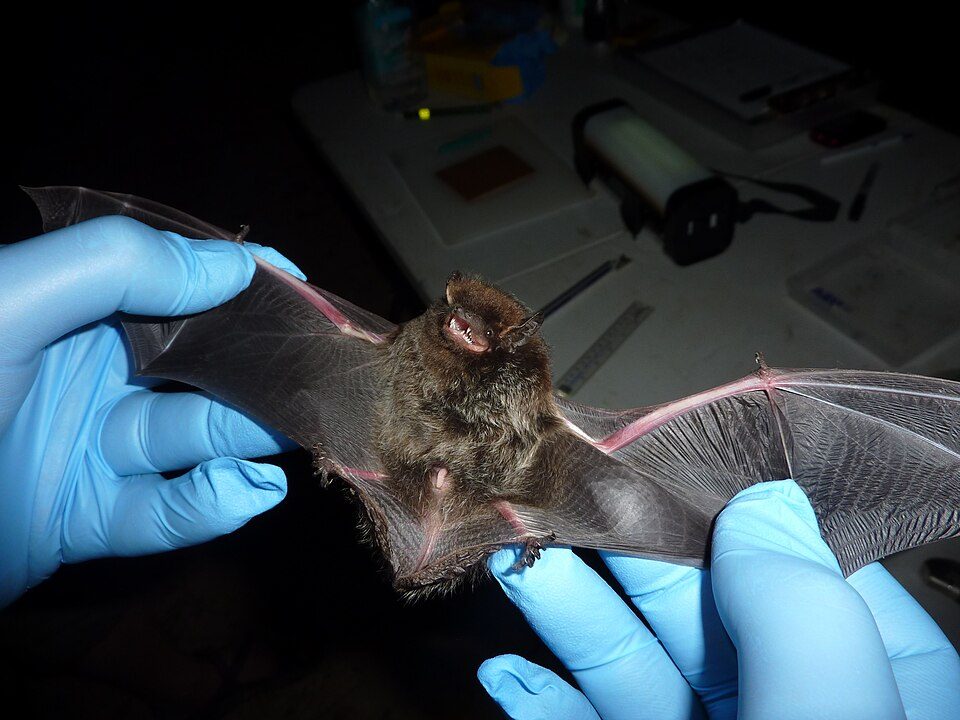
Lasionycteris noctivagans
Migratory bat. Passes through Georgia in spring and fall, occasionally roosting in buildings.
Georgia bat species are protected under state and federal wildlife regulations. Several species, including the Indiana bat, gray bat, and northern long-eared bat, are federally endangered. The only legal way to remove bats from a building is humane exclusion, performed outside of maternity season when possible. Georgia Wildlife Specialists follows Georgia DNR and U.S. Fish & Wildlife Service guidance on every job.